
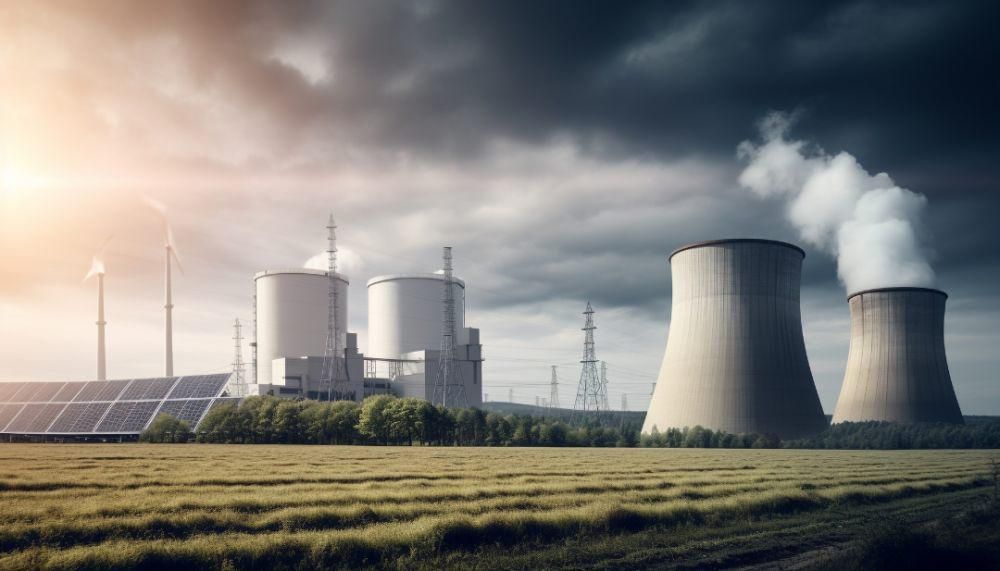
In the race to develop and deploy advanced artificial intelligence, the demand for electricity has skyrocketed. Google, one of the world’s leading technology giants, is taking a bold step by investing in its own nuclear reactor to supply clean and reliable energy to its AI-driven data centers. This strategic move is designed to ensure stable power for the company’s growing infrastructure while addressing global concerns about energy sustainability.
The decision comes at a time when AI models are becoming increasingly complex, requiring enormous amounts of computational power. Traditional energy sources often fail to keep up with this rising demand, creating both cost and environmental challenges. Google’s choice to turn to nuclear technology signals a new era in how tech companies may approach power generation.
Why Nuclear Power for AI Data Centers
Artificial intelligence systems, particularly large-scale models, consume unprecedented levels of energy. Training a single advanced AI model can use as much electricity as powering thousands of homes for weeks. For Google, relying solely on conventional energy grids poses risks of instability and rising costs.
By building its own nuclear reactor, Google aims to secure:
-
Energy reliability, ensuring data centers remain operational without disruption.
-
Sustainability, as nuclear power generates zero carbon emissions compared to fossil fuels.
-
Scalability, with the capacity to meet the ever-growing energy needs of AI operations.
This approach could also reduce the company’s dependence on volatile energy markets while reinforcing its commitment to climate goals.
The Future of Tech and Nuclear Energy Collaboration
Google’s nuclear project highlights an emerging trend where technology companies are becoming more involved in the energy sector. With AI projected to be the backbone of industries such as healthcare, finance, and autonomous systems, ensuring adequate energy supply is critical.
Other major tech players may follow suit, exploring nuclear partnerships or investing in advanced clean energy technologies such as small modular reactors (SMRs). The integration of nuclear power into the tech industry represents a potential paradigm shift—moving beyond renewable sources like solar and wind to include more consistent and large-scale solutions.
Experts suggest this could accelerate innovation while minimizing the environmental footprint of digital infrastructure. However, it also raises new discussions about regulatory frameworks, safety, and public perception of nuclear energy.
Balancing Innovation with Public Concerns
While nuclear power offers many benefits, it also brings challenges. Public concerns about safety, radioactive waste, and regulatory oversight remain strong. Google will need to address these issues transparently to gain trust and ensure community support.
The company’s initiative also highlights a broader debate: how should the tech industry balance its rapid growth with sustainable and ethical energy practices? The outcome of Google’s nuclear project may set a precedent, influencing how other corporations pursue clean energy for their operations.
For now, malaka555 ambition reflects the immense pressures created by the AI revolution. As the demand for energy continues to climb, innovative and sometimes controversial solutions may become the norm in sustaining the digital age.